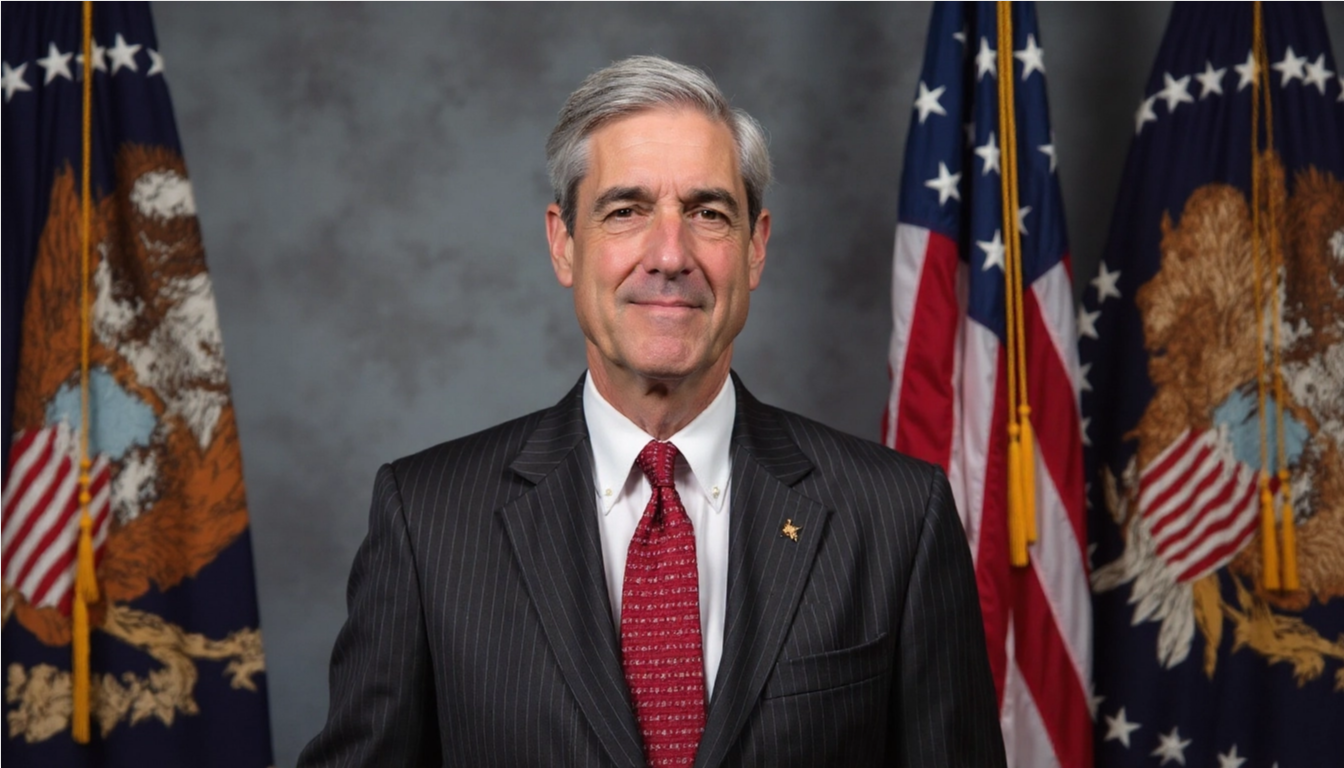

Former FBI Director and Special Counsel | August 7, 1944 – March 20, 2026
Table of Contents
Robert S. Mueller III, a key figure in American law enforcement history, passed away on March 20, 2026. He was 81 and died after a battle with Parkinson’s disease. His death marks the end of a life of public service, spanning decades, wars, and pivotal moments in U.S. history.
Early Life and Education
Born on August 7, 1944, in New York City and raised outside of Philadelphia, Mueller attended the prestigious St. Paul’s School in New Hampshire, where he captained the soccer, lacrosse, and hockey teams — the latter alongside future Secretary of State John Kerry. He went on to graduate from Princeton University in 1966 with a bachelor’s degree in politics and earned a master’s degree in international relations from New York University in 1967.
Military Service
Inspired by the combat death of a Princeton classmate in Vietnam, Mueller enlisted in the United States Marine Corps and led a rifle platoon in the Vietnam War. He served with extraordinary distinction, earning the Bronze Star for heroism, two Navy Commendation Medals, the Purple Heart, and the Vietnamese Cross of Gallantry. He later reflected, “I consider myself exceptionally lucky to have made it out of Vietnam. There were many — many who did not.”
After leaving active duty in 1970 as a captain, Mueller earned his law degree from the University of Virginia School of Law in 1973.
A Career Built on Public Service
Mueller briefly worked in private legal practice, but his true calling was public service. He served as an Assistant U.S. Attorney for the Northern District of California and as a homicide prosecutor in Washington, D.C. He also acted as U.S. Attorney in both Boston and San Francisco. As Assistant Attorney General for the Criminal Division of the Department of Justice (1990–93), he led the prosecution of those responsible for the 1988 bombing of Pan Am Flight 103 over Lockerbie, Scotland.
FBI Director (2001–2013)
In July 2001, President George W. Bush nominated Mueller as the sixth Director of the FBI. The Senate unanimously confirmed him and took office on September 4, 2001, just seven days before the September 11 attacks. Mueller guided the Bureau through its most dramatic transformation, shifting the FBI’s focus from crime to counterterrorism. He deployed agents to more than 30 countries.
Mueller served a remarkable 12-year tenure, the longest since J. Edgar Hoover. Congress granted him a special two-year extension under President Barack Obama. This rare bipartisan honor reflected the nation’s trust in his leadership.
Special Counsel Investigation (2017–2019)
Mueller returned to public service in May 2017. Deputy Attorney General Rod Rosenstein appointed him as Special Counsel to oversee the Justice Department’s investigation into Russian interference in the 2016 U.S. presidential election. His appointment drew praise from both Democrats and Republicans. After nearly two years, Mueller submitted his 448-page report to Attorney General William Barr on March 22, 2019. He officially resigned his post on May 29, 2019.
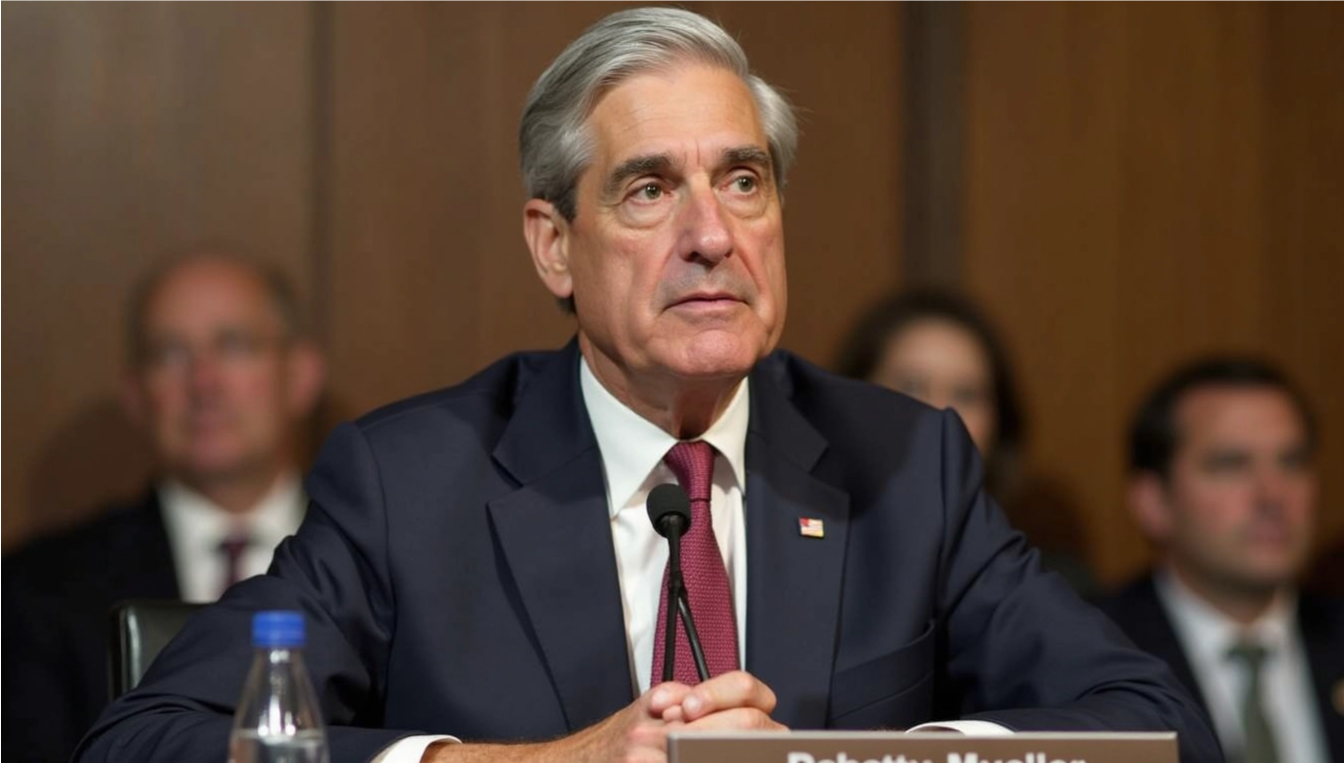
In July 2019, Mueller testified before two congressional committees, stating that his investigation did not exonerate President Donald Trump of obstruction of justice.
Legacy
Throughout his career, Mueller was known for his uncompromising integrity, quiet resolve, and deep commitment to the rule of law—principles that shaped modern American law enforcement and redefined national security. Appointed by presidents from both parties, he earned the trust of both parties, underscoring his rare bipartisan standing. His inclusion on TIME magazine’s 100 Most Influential People reflected his enduring impact on the country’s legal landscape. He is survived by his wife, Ann, and their two daughters.
Robert Mueller served his country in war and in peace, in uniform and in the halls of justice. His legacy endures in the institutions he strengthened and the high ethical standards he set, inspiring future generations to uphold duty, honor, and a steadfast belief in the American rule of law.
FAQs
What is Robert S. Mueller doing now?
Robert Mueller had largely stepped out of the public eye following the conclusion of his Special Counsel investigation in 2019. In his final years, he was battling Parkinson’s disease. He passed away on March 20, 2026, at the age of 81. His death was first reported by MS NOW and confirmed by multiple outlets on March 21, 2026
Who is Robert S. Mueller and what did he do?
Robert Swan Mueller III was one of the most distinguished law enforcement officials in American history. He served as the sixth Director of the Federal Bureau of Investigation (FBI) from 2001 to 2013 — the longest tenure since J. Edgar Hoover — and was appointed by four presidents across both political parties. A decorated Vietnam War veteran, Mueller earned the Bronze Star, Purple Heart, and Vietnamese Cross of Gallantry for his service as a Marine Corps officer. He is perhaps best known to the general public as the Special Counsel who led the Department of Justice investigation into Russian interference in the 2016 U.S. presidential election, a role he held from 2017 to 2019.
Which of the following were key findings in the Mueller S. Report?
The Mueller Report, officially submitted to Attorney General William Barr on March 22, 2019, contained two major areas of findings:
Russian Interference: The report established that Russia conducted a sweeping and systematic campaign to interfere in the 2016 U.S. presidential election, including through social media influence operations and the hacking of Democratic Party emails.
Obstruction of Justice: The report examined ten instances of potential obstruction of justice by President Donald Trump. Mueller did not conclude that Trump committed a crime, but explicitly stated that the report did not exonerate him either, citing longstanding Department of Justice policy that a sitting president cannot be indicted.
No Conspiracy: The report found that while Russia interfered in the election, the Special Counsel’s Office did not establish that members of the Trump campaign conspired or coordinated with Russia in its interference activities.
Congressional Action: Mueller indicated that any further action regarding potential presidential wrongdoing would need to be addressed through a process other than the criminal justice system — widely interpreted as a reference to Congress.
Did Robert Mueller serve in Vietnam?
Yes. Robert S. Mueller served as a United States Marine Corps officer during the Vietnam War. Inspired by the combat death of a Princeton University classmate, he enlisted and led a rifle platoon in Vietnam. He served with exceptional bravery and was awarded the Bronze Star for heroism, two Navy Commendation Medals, the Purple Heart, and the Vietnamese Cross of Gallantry. He left active duty in 1970 at the rank of captain. Mueller later said, “I consider myself exceptionally lucky to have made it out of Vietnam. There were many — many who did not.”
R.I.P: See his full life story on Wikipedia
Posted by WhodiedToday.com | March 21, 2026 | Died: March 20, 2026